Audit Readiness Package
A 1st QUARTER AUDIT READINESS PACKAGE FOR ISO 9001/ISO 14001/ISO45001/ISO17025/AS9100/IATF16949
Edition: 2026 Q1
January is always a reset point for manufacturing teams — new goals, new risks, and the first round of surveillance audits on the horizon. This month we are focusing on strengthening audit readiness, tightening documentation discipline, and setting your systems up for a clean, predictable year.
⭐WHAT WE COVER
- Overview
- First Quarter (Q1) Audit Readiness Master Checklist
- Process‑Level Audit Checklists
- Documentation Review Guide
- Corrective Action Closeout Protocol
- Competence & Training Verification Pack
- Supplier & Outsourced Process Audit Pack
- Calibration & Equipment Verification Pack
- FIrst Quarter (Q1) Management Review Template
- Layered Process Audit (LPA) Starter Set
- Communication Templates
📍1. Overview
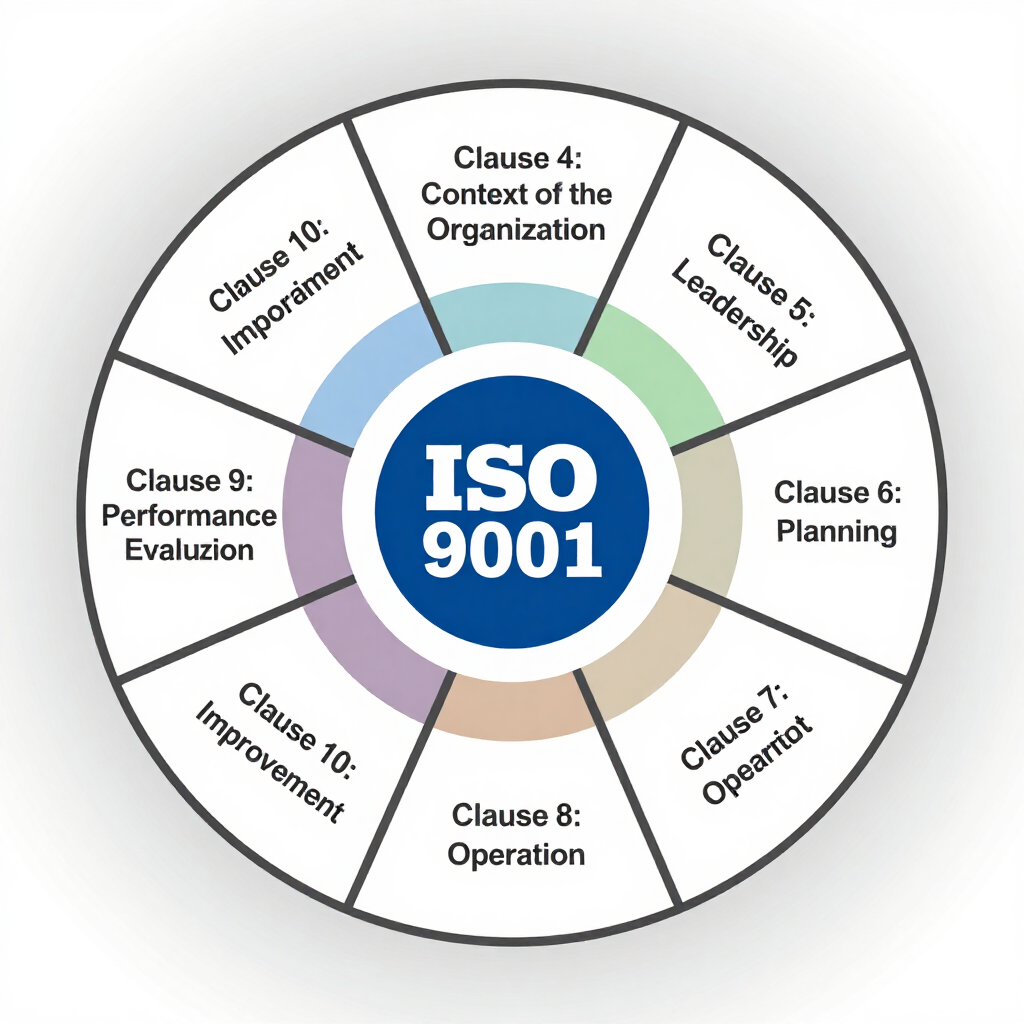
The FIrst Quarter (Q1) is the most critical period for ISO 9001 compliance. Surveillance audits often occur early in the year, and most findings originate from gaps that developed in Q4 or were never fully closed. This package provides a complete, structured, audit‑ready system to ensure your organization enters Q1 with clarity, discipline, and documented evidence of conformity focusing on risks and goals.
✅Identify Primary Q1 Risks
- Outdated risks & objectives
- Incomplete training/competence records
- Overdue corrective actions
- Calibration lapses from holiday shutdowns
- Supplier performance drift
- Documentation not updated after year‑end changes
- Weak internal audit coverage from Q4 staffing gaps
✅Identify Primary Q1 Goals
- Reset the QMS
- Verify all core processes
- Close all open actions
- Refresh competence
- Validate supplier performance
- Prepare evidence for surveillance audit
📍2. Q1 Audit Readiness Master Checklist to Deploy
✅A. Documentation & Records
- Quality Policy current and communicated
- Quality Objectives updated for the new year
- Risk register reviewed and updated
- All procedures/SOPs reviewed for relevance
- Document control log updated
- Records retention verified
✅B. Corrective Actions
- All open CARs reviewed
- Root cause validated
- Effectiveness checks completed
- Overdue actions escalated
- Preventive actions identified
✅C. Internal Audits
- Q4 audits closed
- Q1 audit schedule published
- Auditor competence verified
- Process owners notified
- Audit checklists updated
✅D. Competence & Training
- Training matrix updated
- New hire onboarding completed
- Annual refresher training scheduled
- Competence evaluations documented
- Skills gaps identified
✅E. Calibration & Equipment
- Calibration schedule reviewed
- All critical equipment verified
- Out‑of‑tolerance conditions addressed
- Gage R&R plan reviewed
- Maintenance logs updated
✅F. Supplier & Outsourced Processes
- Approved supplier list updated
- Supplier performance reviewed
- Outsourced process controls verified
- Supplier corrective actions closed
- New suppliers risk‑rated
✅G. Production & Operations
- Process flow diagrams updated
- Control plans verified
- Work instructions posted and current
- Nonconforming product log reviewed
- 5S / workplace organization verified
✅H. Management Review
- Inputs collected
- KPIs updated
- Customer feedback summarized
- Audit results compiled
- Action items assigned
📍3. Process‑Level Audit Checklists
✅Production
- Inputs defined and controlled
- Work instructions available
- Operators trained & competent
- Process parameters monitored
- Nonconforming product controlled
- Records complete and legible
✅Purchasing
- Supplier approval documented
- PO requirements clear
- Supplier performance monitored
- Outsourced processes controlled
- Receiving inspection records complete
✅Quality
- Calibration up to date
- CARs closed and effective
- Internal audits completed
- KPI trends monitored
- Customer complaints analyzed
✅Management
- Policy communicated
- Objectives measurable
- Risks reviewed
- Resources adequate
- Management review completed
📍4. Documentation Review Guide
Requirement Verify
Document ID Present and correct
Revision level Current version only
Approval Signed/dated
Distribution Controlled
Change history Clear and complete
Accessibility Available at point of use
Obsolete versions Removed
📍5. Corrective Action Closeout Protocol
Step 1: Verify containment - Immediate actions implemented and effective.
Step 2: Validate root cause - Use 5‑Why or Fishbone; ensure cause is not a symptom.
Step 3: Verify corrective action - Action addresses the root cause directly.
Step 4: Effectiveness check - 30–60 days after implementation.
Step 5: Close and document - Ensure evidence is attached.
📍6. Competence & Training Verification Pack
✅Training Matrix Requirements
- Roles defined
- Required competencies listed
- Evidence of training
- Evidence of evaluation
- Evidence of qualification
✅Annual Training Requirements
- Quality policy
- Objectives
- Document control
- Nonconforming product
- Corrective action
- Safety (if integrated)
📍7. Supplier & Outsourced Process Audit Pack
✅Supplier Audit Checklist
- Approval criteria met
- Risk rating assigned
- Performance metrics reviewed
- CARs closed
- Certificates current
✅Outsourced Process Verification
- Defined in QMS
- Controls documented
- Monitoring metrics established
- Evidence of performance
- Communication records
📍8. Calibration & Equipment Verification Pack
✅Calibration Review
- All due items calibrated
- OOT conditions addressed
- Labels correct
- Certificates stored
- Equipment traceable
✅Maintenance Review
- PM schedule current
- Logs complete
- Critical equipment verified
✅9. Q1 Management Review Template
Inputs
- Audit results
- Customer feedback
- Process performance
- Nonconformities
- Corrective actions
- Monitoring & measurement
- Supplier performance
- Risks & opportunities
- Resource needs
✅Outputs
- Decisions
- Actions
- Resource allocations
- Improvement opportunities
📍10. Layered Process Audit (LPA) Starter Set
✅Daily (Operators)
- Work instructions current
- Gauges calibrated
- Product labeled correctly
- Defects logged
✅Weekly (Supervisors)
- Control plans followed
- Training records current
- CARs progressing
✅Monthly (Managers)
- KPIs trending correctly
- Risks updated
- Suppliers performing
✅11. Communication Templates
Email: Q1 Audit Readiness Kickoff
Subject: Q1 ISO 9001 Audit Readiness – Launching Today:
- Purpose of Q1 readiness
- Expectations for process owners
- Deadlines
- Links to checklists and documents
Meeting Agenda: Q1 Audit Prep
- Review Q1 checklist
- Assign owners
- Review deadlines
- Confirm audit schedule