Summary of Key Changes in ISO 9001:2026
ISO 9001:2026 was published on 16 September 2026 and replaces ISO 9001:2015. The revision is evolutionary rather than revolutionary.
Summary of Key Changes
1. Stronger Focus on Leadership and Quality Culture
ISO 9001:2026 places significantly greater emphasis on leadership accountability and fostering a quality culture throughout the organization. Top management is expected to actively promote quality values, employee engagement, and accountability.
What this means:
· Leaders must demonstrate commitment beyond policy approval.
· Quality culture becomes an explicit expectation.
· Employee awareness and engagement receive increased attention.
2. Ethical Behavior Added
The new standard explicitly addresses ethical behavior as part of the quality management system. While ethics was implied in ISO 9001:2015, it is now more clearly included within leadership and organizational culture requirements.
Examples:
· Data integrity
· Honest reporting of quality issues
· Ethical supplier relationships
· Transparency in decision making
3. Greater Emphasis on Opportunities
ISO 9001:2015 introduced risk-based thinking. ISO 9001:2026 brings a more balanced approach by strengthening consideration of opportunities alongside risks.
Organizations should:
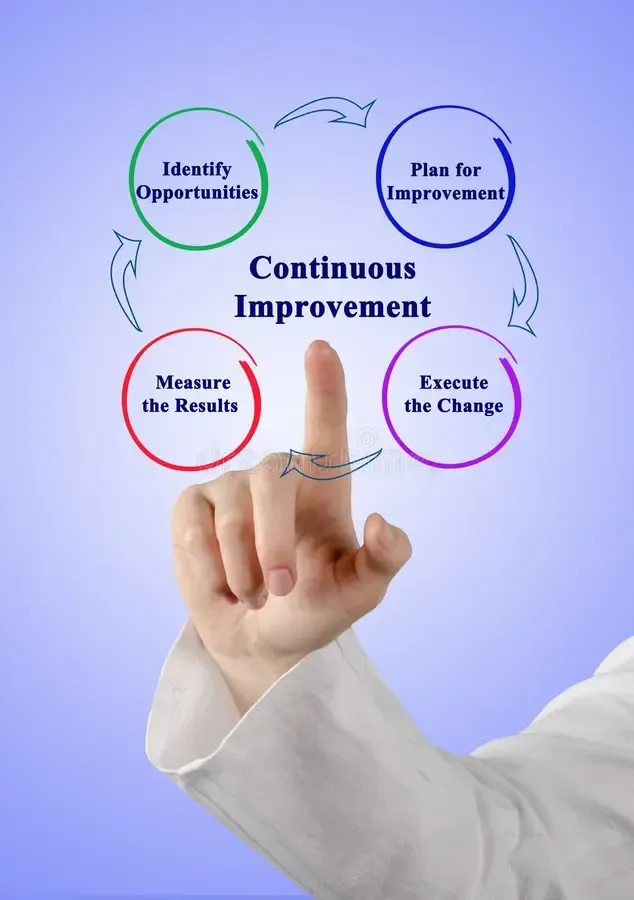
· Identify opportunities for improvement.
· Leverage innovation and technology.
· Use strategic opportunities to improve performance.
4. Enhanced Change Management
Change management requirements have been expanded and clarified. Organizations must better evaluate and plan changes that may affect quality objectives, processes, products, or services.
Expected evidence:
· Formal change planning
· Impact assessments
· Monitoring effectiveness of changes
5. Climate Change Integrated
The climate change amendment introduced in 2024 has been incorporated into the 2026 edition. Organizations must consider whether climate-related issues are relevant to their QMS and interested parties.
Examples:
· Supply chain disruptions
· Regulatory requirements
· Customer sustainability expectations
6. Clarified Risk Requirements
Organizations reported challenges interpreting risk-based thinking in the 2015 edition. The 2026 revision provides clearer guidance and expectations regarding risk and opportunity management.
7. More Attention to Organizational Knowledge
The requirement for organizational knowledge has been strengthened to support resilience, continuity, and knowledge retention.
Examples:
· Capturing tribal knowledge
· Succession planning
· Knowledge-sharing processes
8. Improved Alignment With Other ISO Standards
ISO 9001:2026 has been updated to align more closely with the latest Harmonized Structure used across management system standards such as:
· ISO 14001
· ISO 45001
· ISO 27001
This makes integrated management systems easier to implement and maintain.
9. New Annex A
A new Annex A provides explanatory information, definitions, and clarification of intent to improve consistency of interpretation among organizations and auditors.
What Has NOT Changed
The following foundational concepts remain essentially unchanged:
· Process approach
· PDCA (Plan-Do-Check-Act)
· Risk-based thinking
· Customer focus
· Continual improvement
· Context of the organization
· Interested parties
· Documented information flexibility
Transition Timeline
Organizations certified to ISO 9001:2015 generally have a three-year transition period, ending approximately September 2029, to migrate to ISO 9001:2026.
Recommended Transition Activities
1. Perform a gap analysis.
2. Review leadership responsibilities.
3. Evaluate quality culture initiatives.
4. Address ethical behavior expectations.
5. Update risk and opportunity processes.
6. Integrate climate change considerations.
7. Strengthen change management controls.
8. Train auditors and process owners.
9. Transition during surveillance or recertification audits.